
Pre-Seed Fertility Lubricant: Complete Review (2026)
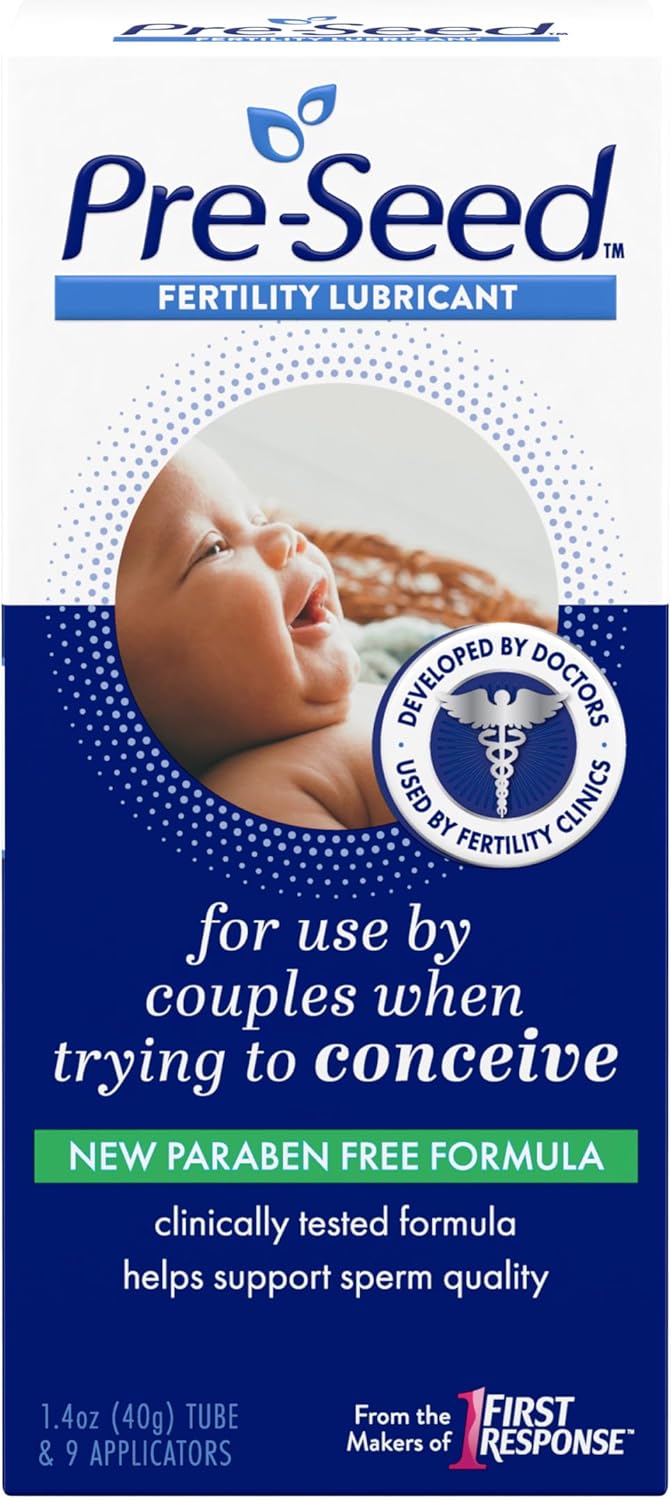
Pre-Seed Fertility Lubricant is built for couples who want more comfort during intimacy while trying to conceive, without leaning on the usual slick, general-purpose lube formula.
This review stays practical and respectful. We are looking at applicators, cleanup, body-feel, and how the product fits a lower-pressure routine when comfort matters but overpromising does not help anyone.
The goal is simple: help you decide whether this is a useful support product for your fertility journey, or whether a simpler plan with less product and less process would feel better.

Pre-Seed Fertility Lubricant at a glance
Best for: Couples trying to conceive who want added lubrication and prefer a product positioned around fertility-aware comfort instead of a standard sensation or novelty angle.
Not for: Shoppers who want the simplest possible routine, dislike applicators, or expect any lubricant to directly improve pregnancy odds on its own.
Quick buy link: Check Price on Amazon
Helpful context: The official First Response product page says the formula is isotonic and pH balanced similar to the vaginal environment, and includes nine single-use applicators. Mayo Clinic Health System also notes that many lubricants can adversely affect sperm motility, which is why fertility-specific positioning matters to some couples.
That distinction is the real reason this product gets attention. It is not about miracle language. It is about finding a lubricant that aims to reduce friction without feeling at odds with the goals of a trying-to-conceive routine.
If that sounds appealing, the smartest expectation is modest: better comfort, more confidence, and less second-guessing about whether your lubricant choice fits the moment.
What you get + key features
The product combines a water-based gel texture with an optional applicator approach, which makes it feel more structured than the average bedside lube bottle. That can be reassuring for some shoppers and unnecessarily involved for others.
- Fertility-oriented positioning for couples who do not want a standard novelty lubricant
- Nine disposable applicators for people who prefer more deliberate placement
- Comfort-first formula framing around moisture, glide, and ease of use
- Mainstream brand availability that makes restocking easier than niche specialty products
If you want a simpler benchmark, our Astroglide water based lube review shows what a more general comfort-first lubricant looks like when fertility-specific positioning is not the point.
Our K-Y Liquid Lube review is another useful contrast because it speaks to shoppers who mostly want easy spread and straightforward cleanup rather than a more process-oriented setup.
And for anyone comparing sensation-focused options, the K-Y Warming Jelly lube review shows how different the shopping logic becomes once the goal shifts from trying-to-conceive support to a more playful sensory experience.
That comparison helps because this category is not really about which formula sounds most impressive. It is about which one reduces friction while still matching your timing, privacy, and comfort preferences.
Comfort, use, and routine fit
Pre-Seed Fertility Lubricant makes the most sense when dryness or repeated timing starts to make intimacy feel more clinical than connected. In that situation, a comfort-supporting product can help the experience stay gentler and less distracting.
The applicator system is the biggest decision point. Some couples appreciate the extra control and the feeling of being prepared. Others see it as one more step in an already scheduled process and would rather keep things simple.
The official product page says the formula can be applied internally with the provided applicators or externally, which gives it some flexibility. You do not have to treat that flexibility like a rulebook, but it is worth knowing before you buy.
ASRM notes in its committee opinion that some vaginal lubricants may decrease fertility on the basis of their observed effects on sperm survival in vitro, while hydroxyethylcellulose-based lubricants do not show the same adverse impact on semen parameters. That does not turn any lubricant into a guarantee. It simply explains why TTC shoppers often avoid generic formulas.
Mayo Clinic Health System makes a similar point and recommends looking for hydroxyethylcellulose-based products if lubrication is needed while trying to conceive. It also stresses that comfort support is not the same thing as making pregnancy happen faster.

Cleanup should feel closer to a standard water-based product than an oil. That is useful if you want less residue and less ritual after the fact, especially when intimacy already feels scheduled around fertile-window timing.
ACOG advises that pregnancy is most likely in the days around ovulation. That matters here because many couples are not buying this product for novelty. They are buying it to keep a narrow timing window from turning uncomfortable or tense.
The strongest performance takeaway, then, is emotional as much as physical: if a lubricant helps intimacy feel less pressured and more manageable, it may earn its place even when the process itself still feels a little technical.
How it compares
Versus general water-based lubes: general formulas are often easier to find and simpler to use, but they do not always speak directly to TTC concerns or ingredient preferences.
Versus no lubricant at all: some couples do fine without one, but dryness can make fertile-window timing feel harder than it needs to. A comfort-supporting option can reduce that friction without changing the overall tone of the experience.
Versus sensation products: warming, cooling, or flavored products are built for a different shopping intent. If your main goal is staying comfortable while trying to conceive, those formulas usually are not the cleanest comparison set.
Versus other fertility-focused lubes: Pre-Seed Fertility Lubricant stands out more for brand familiarity and applicator convenience than for dramatic marketing promises. That can be a benefit if you prefer something that feels established and easy to understand.
The main tradeoff is process. Some people will love the structure. Others will decide that a smaller, lower-fuss routine supports intimacy better than an applicator-led one.
Who should buy (and skip)
Buy it if: you are trying to conceive, want extra comfort, and feel better using a product that is positioned around fertility-aware lubricant choices rather than generic convenience.
Skip it if: you rarely need lubricant, dislike extra steps, or expect any TTC product to change your pregnancy odds by itself.
Also skip it if: you already know that less structure feels better for your relationship. For some couples, a simpler bedside routine is more calming than an applicator-based one.
FAQ
Does it guarantee pregnancy?
No. It is a lubricant designed to support comfort and fit TTC preferences. It is not a promise of conception, and the brand itself does not publish pregnancy-rate guarantees.
Why do couples choose it over regular lube?
Usually because they want extra lubrication without feeling like they are using a formula that may be poorly matched to sperm-friendly concerns.
Are the applicators required every time?
No. The product page says it can be used internally with the applicators or externally, so the right routine depends on what feels manageable for you.
When should you ask a clinician instead of shopping longer?
If trying to conceive is becoming stressful, painful, or prolonged, a clinician or fertility specialist can offer more useful guidance than another product page ever will.
Bottom line: Pre-Seed Fertility Lubricant is a thoughtful option for couples who want extra comfort while trying to conceive, especially if a fertility-aware formula feels more reassuring than a standard lube.