

For Men Only: Complete Review (2026)
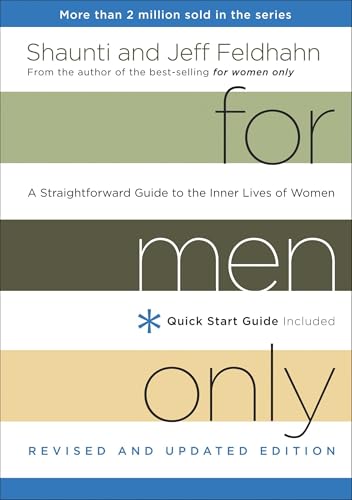
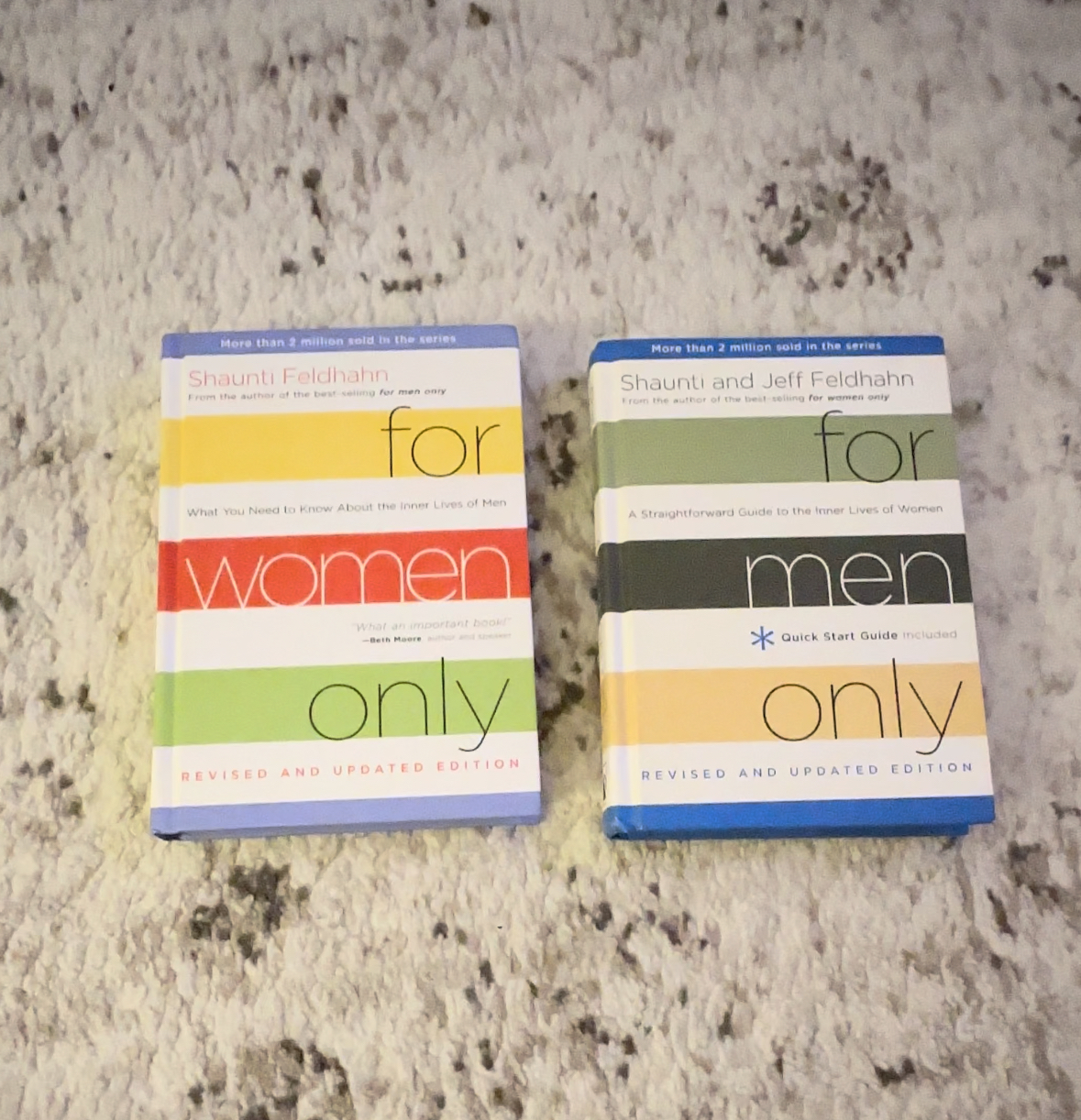
For Men Only is a compact relationship guide for readers who want a clearer, calmer understanding of how everyday listening, empathy, and reassurance shape connection.
This review stays respectful and practical. We are looking at the book’s tone, the usefulness of its advice, and whether its insights still feel worthwhile for people trying to build steadier communication habits.
The aim is not to promise a perfect relationship after one paperback. It is to help you decide whether this title belongs on your nightstand, in a gift basket, or on a shared reading list with a partner.

For Men Only at a glance
Best for: Readers who like short, actionable relationship books and want prompts for better listening, more thoughtful reassurance, and fewer avoidable misunderstandings.
Less ideal for: Anyone who wants highly academic sourcing, strongly gender-inclusive framing, or advice that avoids faith-adjacent and traditional relationship language.
Quick buy link: Check Price on Amazon
Helpful context: The official publisher page describes this revised edition as a practical guide to better communication. For a broader, non-book lens, Mayo Clinic’s overview of healthy relationships is a useful reminder that mutual respect and honest conversation matter more than any one framework.
The strongest immediate value is clarity. Readers do not need to decode dense language or sift through endless jargon. The chapters are built to feel approachable, which makes the book easier to finish and easier to discuss with someone else afterward.
What you get and key features
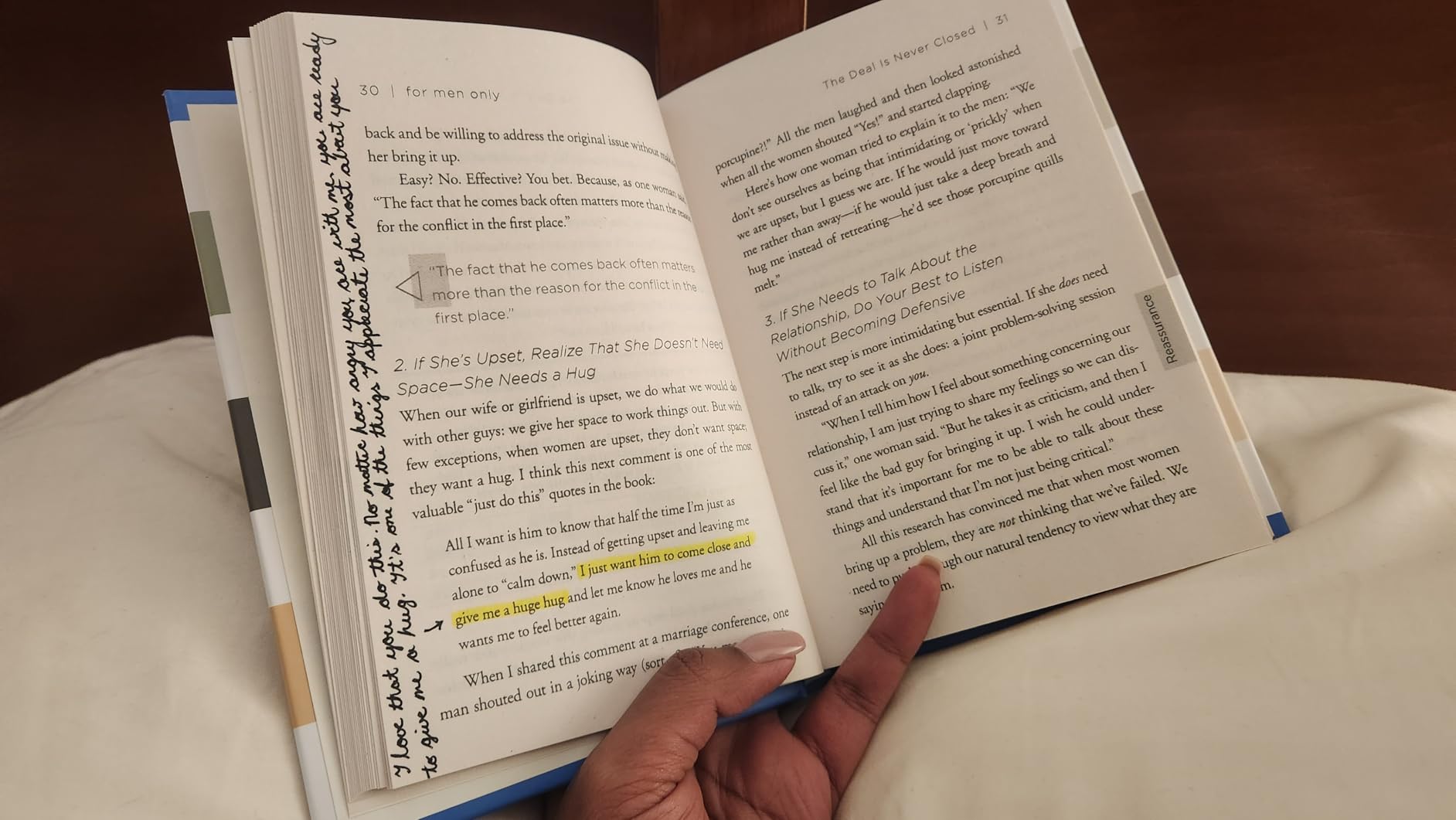
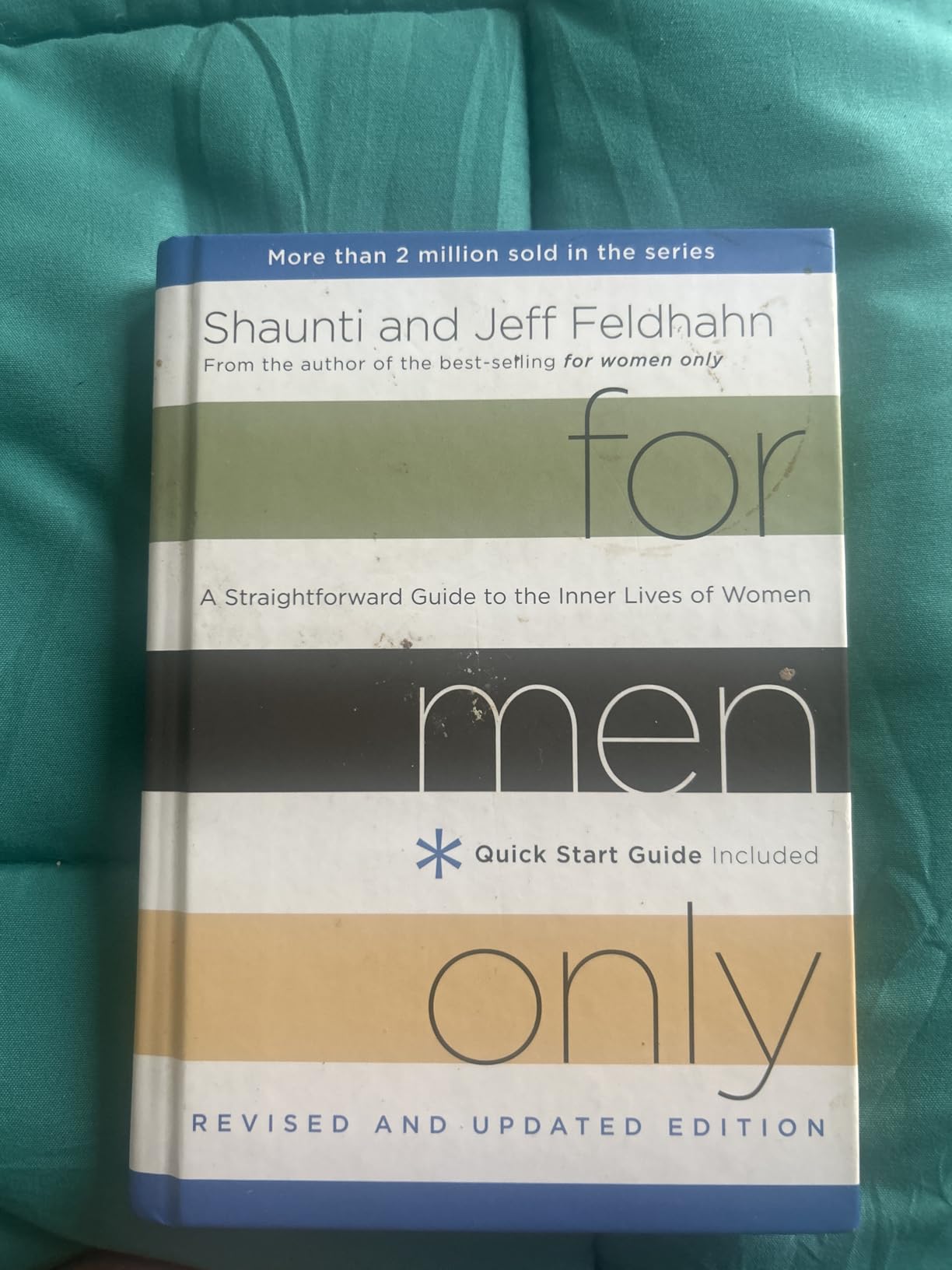
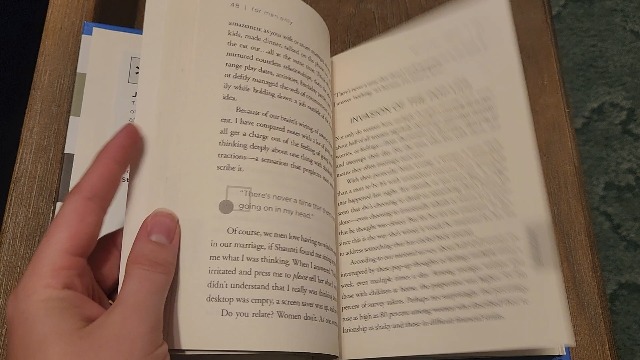
This is a small-format book with a clear, direct style. That matters because relationship advice only helps if people will actually read it, absorb it, and return to it when a conversation goes sideways.
Its structure is the main selling point. Each section pushes toward a takeaway you can act on right away, whether that means checking in more gently, listening a little longer, or resisting the urge to jump straight into problem-solving mode.
- Compact length that feels manageable for busy readers
- Action-oriented tone that favors practical habits over abstract theory
- Conversation-starter value when both partners compare reactions after reading
- Gift-friendly format for birthdays, anniversaries, or low-pressure care packages
If you want something more interactive than a book, the site’s Tell Me Without Telling Me adult card game review shows how question-driven products can create easier openings for conversation.
And if your bigger priority is shared comfort and discretion around adult-wellness purchases, the guide to privacy and safety for intimacy tools covers practical boundaries that matter beyond any one product.
A fair caution is that the book’s framing will not suit everyone. Some readers will appreciate its directness, while others may want a less binary or more contemporary lens on partnership. That does not automatically make the book unhelpful, but it does shape who will feel most seen by it.
Performance and routine fit
Relationship books do not perform like gadgets, but they still have a real-world use test: do they make you slower to assume, quicker to listen, and better at responding with care? That is the standard that matters here.
For Men Only works best when readers treat it as a prompt for reflection rather than a final answer key. The healthier move is to bring one idea into an ordinary conversation, see how it lands, and adapt it to the actual person in front of you.
That approach lines up with good communication advice elsewhere. The Gottman Institute’s piece on listening without getting defensive reinforces the same basic truth: feeling understood usually starts with curiosity, not with rushing to defend yourself.
In day-to-day life, that means this book is probably strongest for readers who already want to improve but need a simpler doorway in. It is less likely to change anything for someone who reads passively, underlines a few lines, and never brings the ideas into real conversation.

A helpful routine tip: read one short section, pause, and ask yourself what would feel respectful, not performative, if you tried that insight this week. Small behavior changes are more realistic than dramatic promises, and they are usually more sustainable.
How it compares
Compared with conversation card games, this book is quieter and more private. The site’s Truth or Drink party game review shows the opposite end of the spectrum: more spontaneous, more playful, and more dependent on the mood you bring to the table.
Compared with longer relationship books, this one is easier to finish and easier to revisit. You give up some nuance, but you gain speed, which can matter if the person you are buying for usually avoids heavier self-help reading.
For Men Only also differs from broad communication resources because it is built around one specific framing of male-female partnership. That focus can make it feel more targeted, but it can also feel narrow if your relationship values a more flexible or fully inclusive vocabulary.
For anyone trying to turn insight into action, Mayo Clinic’s guide to assertive communication is a strong outside complement. It adds a practical reminder that clarity and respect work best together.
Who should buy it
Buy it if: you want a short relationship guide, you appreciate practical next steps, or you are looking for a supportive gift that may start a calmer conversation.
Skip it if: you prefer strongly research-heavy books, dislike gendered framing, or want a relationship resource written from a more explicitly modern and inclusive perspective.
Also skip it if: you are hoping a book alone will solve a deeper trust or communication problem. A helpful read can support progress, but it does not replace consistent behavior, mutual effort, or professional support when that is needed.
FAQ
Is this a good gift for a partner?
Usually it works better as a gift for someone who already likes relationship books and will not feel judged by receiving one. Tone and timing matter.
Do both partners need to read it?
No, but the book becomes more useful when at least one person turns the ideas into calmer check-ins, better listening, and more respectful follow-through.
Will the framing work for everyone?
No. Some readers will find it clear and practical, while others will want a less binary or more contemporary approach to partnership.
What is the smartest way to use it?
Read in short bursts, pull one idea at a time, and discuss real-life examples instead of trying to apply every chapter at once.
Bottom line: For Men Only is a thoughtful buy for readers who want a quick, practical relationship guide and who are comfortable adapting its perspective to the real person, boundaries, and communication style in front of them.